




LORIN:
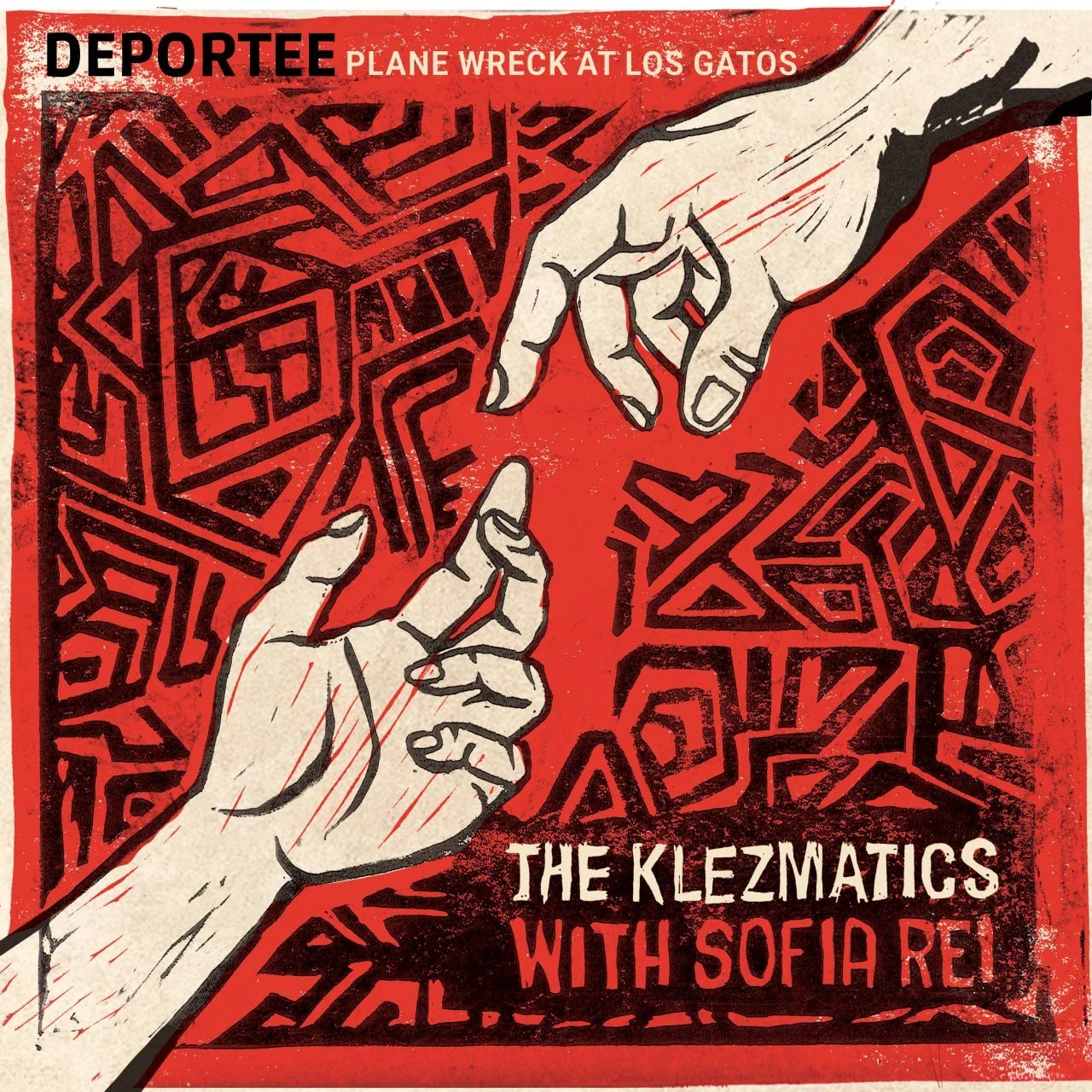
I’ve been singing Woody’s songs since I was a kid, since my mom won a copy of one of his albums of children’s songs in a radio contest. (Who knew that I would actually get to work with Woody’s lyrics and get to know his family personally!) I’ve known “Deportee” for a long time - I never imagined that an 80-year old song would mean so much more in these challenging times. It was a thrill to hear realised my reimagining of this as a tri-lingual (English/Yiddish/Spanish) ranchera (shades of having grown up adjacent to East L.A.) and to sing it, Dueto Azteca-style, with our musical cohort Sofia Rei. Thanks to Sofia and Daniel Kahn for their translation work.
Woody Guthrie’s words, born from outrage at the disregard for human dignity, still hit with the same heartbreaking force they carried in 1948. Singing this song now, in a time when conversations about immigration in the United States feel increasingly fraught and hostile, I sense an immense responsibility as an artist.
This is more than a historical lament. It is a mirror held up to our present moment. The voices once reduced to “deportees,” stripped of names and stripped of humanity, remind me that behind every policy debate live real people with families, hopes, fears, and untold stories. When we fail to name them, it becomes easier to forget them. Woody’s insistence on remembering—on giving identity back to the erased—is not nostalgia, but an act of radical empathy.
Collaborating with The Klezmatics, with their deep sense of history and musical courage, felt like weaving many strands of resistance into a shared voice across cultures and borders. Today, “Deportee” asks us to break the silence around human stories and to hear migrants not as statistics, but as fellow travelers on this shared earth. -Sofía